
A practical Northern Ireland home viewing guide covering what to inspect, what questions to ask and when to arrange a survey.
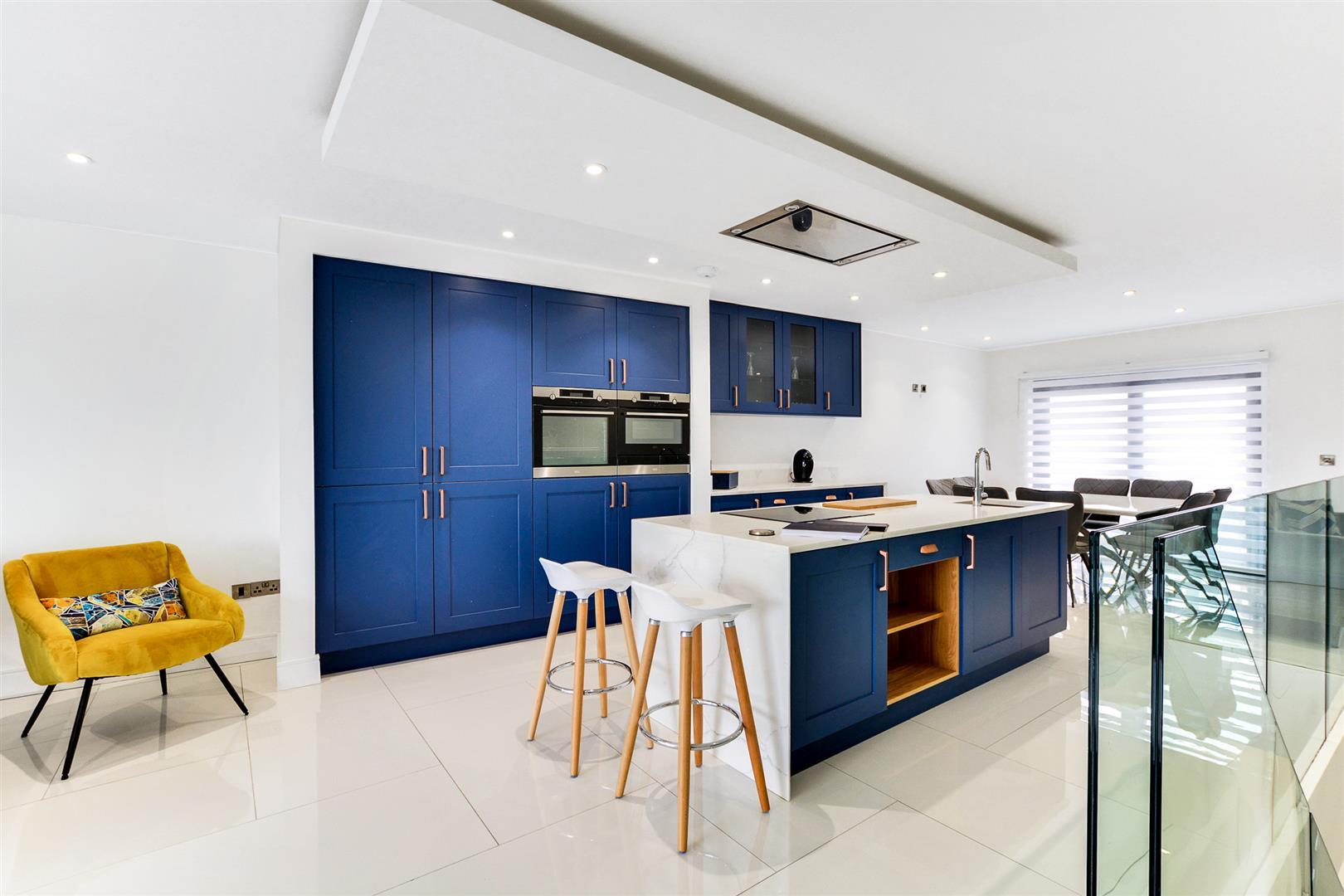
When viewing a house look at everything. You should be walking into each room with your head on a swivel. Look at the ceiling, walls, floors, windows, radiators, skirting. Look behind doors and curtains, check the kitchen cupboards and built in storage all open and shut. Check the heating system and run the taps and check the water pressure in the showers.
Searching for a new home can be exciting and enjoyable. However, many buyers have never been through the house buying process before. It is easy to become overwhelmed or distracted by attractive furniture, new light fittings and carefully staged rooms.
This can become costly if you go on to purchase the property without looking beyond its presentation or arranging a second viewing.
The initial viewing is an opportunity to get a feel for the house and decide whether it meets your buying criteria. You should be able to answer questions such as:
You can answer many of these questions by taking your time, walking through each room slowly and pausing to properly consider the space.
A viewing is not a structural survey. You are unlikely to identify every defect during a short visit, but you can spot warning signs, ask better questions and decide whether the property deserves a second viewing and professional inspection.
It is not essential to bring someone with you, but it can be a great help.
If you are buying the property for yourself, brief them on the type of home you want. Are you looking for a project, or do you want a low maintenance home? How many rooms do you need? What type of living or reception space are you hoping to find?
Ask them specifically to point out anything that concerns them, such as mould, cracks, damage or potential renovation and redecorating expenses.
You will both naturally notice the attractive parts of the property and discuss how it may suit your needs. Having a second set of eyes actively looking for negative points can help you build a more balanced picture of the home.
They may also notice practical issues that you miss because you are concentrating on speaking to the estate agent or imagining where your furniture could go.
When arriving for a first viewing, spend a couple of minutes outside looking around.
Consider:
Spend some time listening to the background noise. If you opened the windows or sat in the garden, could you live there comfortably, or would the noise eventually frustrate you?
It can also be useful to return to the area at a different time without arranging another viewing. A quiet road during the working day may feel very different during the school run, evening traffic or at the weekend.
Do not let the estate agent rush you through the house. Take a moment to pause in every room.
Walk into the centre of the room, look all around and then look back towards the door. Make the viewing feel intentional. Do not simply stand at the doorway and take a quick look inside.
If you particularly like the property, ask to walk around again after the estate agent or owner has completed the initial tour. They will often give you some space to view the rooms without being guided.
This creates a more relaxed environment and allows you to speak openly with the person accompanying you. You can discuss what you like, what you dislike and what worries you. They may also highlight things you missed during the first walk around.
During the second walkthrough, sit down in the living room or at the kitchen table and get a feel for the space. It may feel slightly awkward because it is still someone else’s home, but establishing whether the space works for you is more important than a few moments of embarrassment.
Furniture can change how large or small a room appears. Small furniture may have been used to make a restricted room feel bigger, while an empty room can make it difficult to understand how your own furniture will fit.
Think about:
Do not assume that every item you see is included in the sale. Freestanding appliances, sheds, light fittings, curtains and even some fitted items may be removed unless they are specifically included in the contract. Think about what items will be removed and will they leave screw holes or brackets behind that will need to be repaired.
One isolated defect does not necessarily mean the house has been badly maintained. However, several small problems can indicate that larger maintenance tasks have also been postponed.
Look for:
A house does not need to be perfect. The purpose is to understand what you may have to repair and how soon the work will be required.
Northern Ireland’s climate means damp and condensation deserve particular attention.
Look around external walls, ceilings, chimney breasts, window reveals, behind furniture and inside cupboards. Watch for:
Do not automatically assume that every damp mark represents rising damp. Condensation, plumbing leaks, defective gutters, roof problems and water penetrating through external walls can create similar symptoms.
Ask when the issue first appeared, what repairs were carried out and whether there are invoices, guarantees or reports available.
A freshly decorated room is not necessarily hiding a problem, but a small area of new paint surrounded by older decoration is worth asking about.
Small hairline cracks in plaster are common and may only relate to drying or normal movement. Larger cracks, stepped cracking through brickwork, cracks around openings or doors that have suddenly stopped closing can require further investigation.
Pay attention to:
Do not attempt to diagnose structural movement during a viewing. Record what you see and raise it with your surveyor.
Open several windows and doors rather than assuming they all work.
Check whether:
The direction the property faces can influence natural light, garden use and solar potential. A garden that is shaded during an afternoon viewing may receive sun at another time, so use the viewing alongside a map or compass rather than relying on one moment.
Ask what type of heating system the house uses. Oil heating remains common across Northern Ireland, while other properties may have gas, electric heating, heat pumps or solid fuel appliances.
Ask:
Look for rust, leaks, staining or temporary containers beneath equipment. If the heating is off, you will not be able to confirm that it works properly during the viewing.
A seller or estate agent may provide useful information, but your surveyor and solicitor should verify anything material to your decision.
With permission, run the taps and check how quickly the water heats and drains away. Flush toilets and look around baths, showers and sinks.
Check for:
A bathroom may look new while still having problems behind the finish. Loose tiles, excessive silicone, movement or staining in the room below can indicate previous or continuing leaks.
You are not carrying out an electrical inspection, but there are basic things you can observe.
Look for:
Ask whether an Electrical Installation Condition Report is available and when the property was last rewired.
Do not remove covers, open electrical equipment or test anything you are not competent to inspect.
If the loft is safely accessible, ask whether you can look inside. Do not climb into an unsafe or unboarded roof space during an ordinary viewing.
From the access hatch, look for:
Ask whether the roof has been replaced or repaired and whether receipts, guarantees or approvals are available.
If the loft has been converted into a room, your solicitor should establish whether the necessary planning permission and building control approval were obtained.
Once you have viewed the inside, walk around as much of the outside as you can access.
Look back at the building rather than concentrating only on the garden.
Check:
Ask which boundaries belong to the property and whether any access is shared. Your solicitor will confirm the legal position, but the viewing may reveal issues worth raising early.
For rural homes, ask about septic tanks, private drainage, water supplies, rights of way and responsibility for maintaining shared lanes.
A viewing is your opportunity to gather information. You are not being difficult by asking sensible questions.
Useful questions include:
The person conducting the viewing may not know every answer. Ask for important information to be confirmed afterwards rather than accepting a guess.
Try to separate essential work from optional improvement.
Essential work could include:
Optional work could include:
It is easy to underestimate the combined cost of several apparently small jobs. Make a rough room-by-room list and attach realistic allowances before deciding what you can afford to offer.
If you remain interested, arrange a second viewing before making your final decision.
Where possible, view the property:
The first viewing is usually emotional. The second should be more practical.
Use it to revisit any concerns, take measurements, inspect areas you missed and decide whether your initial impression still feels right.
If the estate agent resists a reasonable request for a second viewing, ask why.
Ask permission before taking photographs or videos, particularly when the property is still occupied.
Record:
If you are viewing several homes, details will quickly blur together. A consistent checklist makes it easier to compare properties after the excitement of each viewing has passed.
Do not photograph personal documents, family photographs, security equipment or anything that unnecessarily compromises the owner’s privacy.
A careful viewing is valuable, but it does not replace professional advice.
Before completing the purchase, you may need:
A mortgage valuation is primarily for the lender. It is not the same as a detailed survey undertaken for your benefit.
Your solicitor and surveyor should investigate the property independently. Verbal comments made during a viewing should not be treated as proof of condition, ownership, approval or legal rights.
Your reaction to a home matters. You should be able to imagine how the property could work for you and whether you would enjoy living there.
However, liking the house should be the beginning of your decision, not the end of your investigation.
Take your time, look beyond the presentation, ask direct questions and return for a second viewing. If something concerns you, record it and have it investigated before you become legally committed.
The purpose of a viewing is not to find a perfect house. It is to understand the home you may be buying, the work it may require and whether it genuinely suits your life.
nidirect: Buying a home | https://www.nidirect.gov.uk/articles/buying-home
RICS consumer guides | https://www.rics.org/consumer-guides
The Property Ombudsman: information for consumers | https://www.tpos.co.uk/consumers/
Browse more practical guidance or return to the Guidance Centre to explore every topic.
An Autumn Home Maintenance ChecklistEssential Checks When Buying a HomeHow Often Should a Boiler Be Serviced?Explore the Verh app