
A practical checklist of the condition, legal, energy, location and running cost checks to make before buying a home.
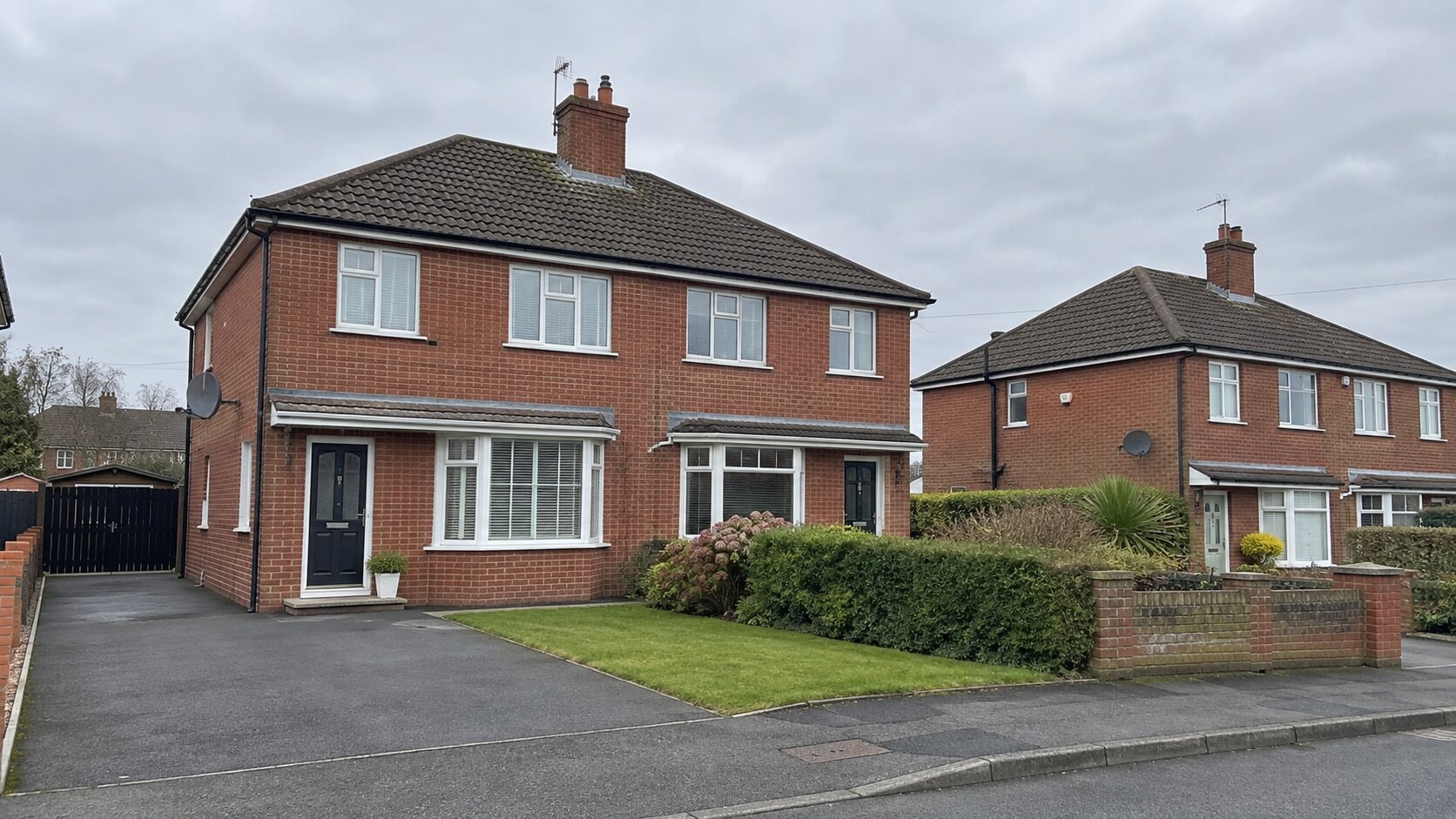
Before buying, inspect the property more than once, commission an appropriate independent survey, ensure your solicitor has an excellent reputation in conveyancing, review the EPC and running costs, investigate flood risk, drainage, heating, damp and any alterations that have been made.
A viewing can tell you whether a home feels right, is in a great location for you or your family, but it cannot confirm the property's condition, legal title or likely running costs. The safest approach is to combine your own observations with an independent survey, your solicitor's legal checks and specialist advice where a concern is identified.
Check the building, services, documents, legal position and surrounding area. Visit more than once if possible, including at a different time of day, and write down questions rather than relying on memory.
If access is safe and permitted, look for signs of water entry, damaged timbers, condensation, compressed or patchy insulation and poorly supported alterations. Check that bathrooms and kitchens have effective extract ventilation and that permanent vents have not been blocked.
A mortgage valuation is prepared primarily for the lender and is not a detailed condition survey for you. After your offer is accepted, commission an independent survey appropriate to the property's age, construction, condition and alterations.
A conventional home in reasonable condition may suit a RICS Level 2 Home Survey. An older, extended, unusual, visibly defective or heavily renovated property may justify a more detailed Level 3 survey. Explain your concerns and planned work to the surveyor before agreeing the scope.
Your solicitor should investigate the title and relevant searches. Discuss the property's boundaries, access, rights of way, shared areas, covenants, easements or wayleaves, ground rent where applicable and any issue that could restrict how you use or alter the home.
Ask specifically about extensions, loft conversions, garages, structural alterations, replacement windows, septic systems and other work. Planning permission and Building Regulations approval are separate matters; your solicitor can advise what evidence should exist and what further enquiries are needed.
Ask for the EPC, heating service history, electrical or safety reports, guarantees, warranties, planning and Building Regulations documents, manuals, invoices for major work and information about renewable energy systems. Treat documents as evidence to be reviewed, not a substitute for your solicitor's or surveyor's checks.
No checklist removes every risk. Its purpose is to expose the issues that deserve professional investigation before you become responsible for the home.
No. A lender's valuation assesses the property for lending purposes. It should not be treated as a detailed condition survey carried out for the buyer.
Recheck any signs of damp or cracking, inspect storage and roof space where access is permitted, test windows and taps, review heating and major equipment, clarify boundaries and ask for documents relating to alterations and servicing.
Arrange one when your surveyor or solicitor recommends it, or when there is a particular concern involving structure, damp, drainage, roofing, electrics, heating, an oil tank, asbestos or non-standard construction.
Ask for the EPC, service records, available electrical and safety reports, guarantees, warranties, planning and Building Regulations evidence, manuals and invoices for major work. Your solicitor should advise which documents must be verified.
Browse more practical guidance or return to the Guidance Centre to explore every topic.
An Autumn Home Maintenance ChecklistEssential Checks When Buying a HomeHow Often Should a Boiler Be Serviced?Explore the Verh app