
Learn why moisture appears in homes, how to reduce everyday condensation and when damp or mould may point to a building defect.
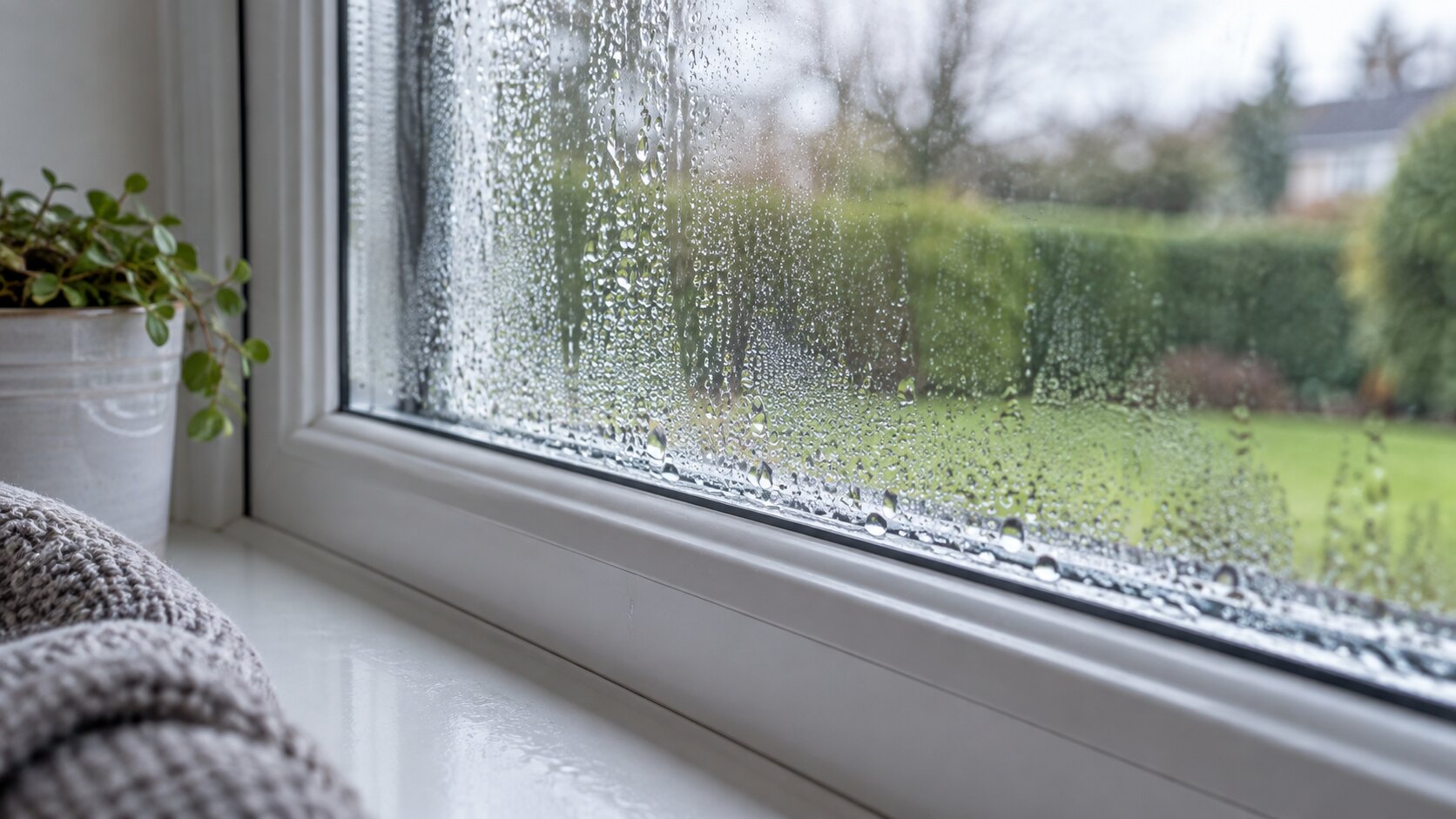
Reduce condensation by controlling moisture, using effective ventilation and heating the home consistently. Persistent damp, recurring mould or water staining should be investigated rather than simply painted over.
Condensation forms when warm, moisture-laden air meets a cold surface. It often appears on windows, external walls and behind furniture. Damp can also come from leaking pipes, damaged roofs, blocked rainwater goods, penetrating rain or moisture rising through the building fabric. The correct remedy depends on the cause.
Condensation is commonly worse during cold weather and in rooms where moisture is produced, such as kitchens, bathrooms and bedrooms. It may show as water on glass or dark mould in corners. A localised patch that grows after rain, a tide mark near floor level or staining below plumbing may suggest a leak or building defect.
Keep purpose-provided vents open, including trickle vents and air bricks. Open windows briefly to purge moist air where appropriate. Avoid blocking ventilation behind furniture; leave a small gap between large items and cold external walls.
Very cold surfaces encourage condensation. A lower, more consistent background temperature can be more effective than allowing rooms to become very cold and then heating them sharply. Heating does not remove moisture on its own, so it must work with ventilation.
Small areas may be cleaned using a suitable mould-removal product and its safety instructions. Do not dry-brush mould, as this can release spores. Larger, recurring or unexplained growth needs proper investigation. Anyone with health concerns should seek appropriate medical advice.
Arrange an inspection when damp persists despite sensible heating and ventilation, follows rainfall, appears near plumbing, damages finishes or affects several rooms. Repair the source before redecorating. If you rent, report the problem promptly to your landlord or housing provider and keep dated photographs and correspondence.
Ventilation helps remove moist air, but it works best alongside moisture control and suitable heating. Keep permanent vents clear and use extract fans where provided.
Painting may hide staining temporarily but will not solve the moisture source. Clean the area safely and investigate why the surface is becoming damp.
Damp that follows rain, forms around a leak, creates a consistent localised patch or returns after practical moisture measures may indicate a defect that needs inspection.
Browse more practical guidance or return to the Guidance Centre to explore every topic.
An Autumn Home Maintenance ChecklistEssential Checks When Buying a HomeHow Often Should a Boiler Be Serviced?Explore the Verh app