
A simple introduction to the electrical, water, waste, heating and ventilation systems that keep a home working.
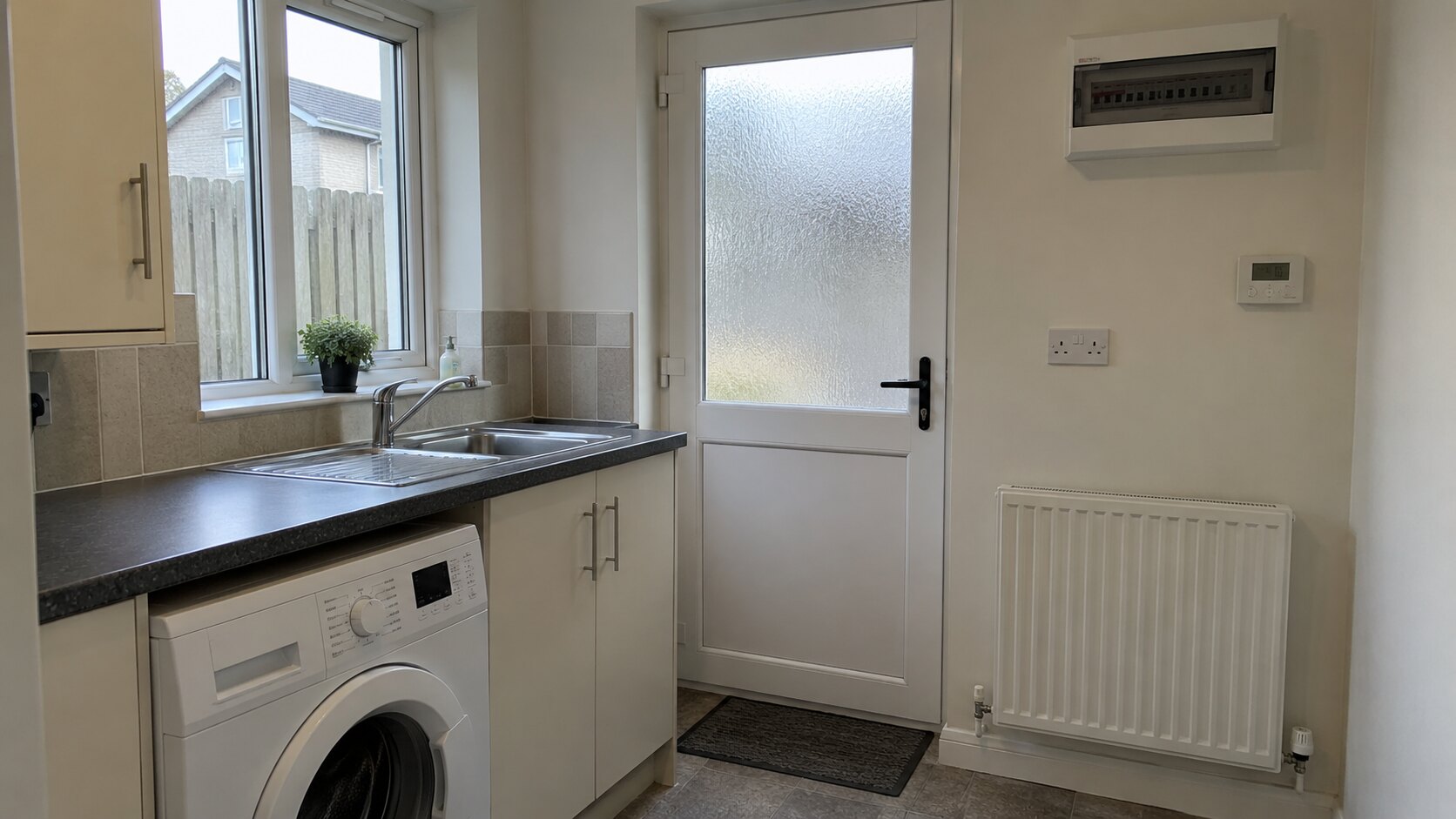
Your home’s essential systems are connected: electricity powers controls and pumps, water feeds hot water and heating equipment, drainage removes waste, and ventilation manages moisture and air quality. Know the isolation points and keep accurate records for each system.
A home is a collection of connected systems rather than separate appliances. A heating fault may be electrical, hydraulic or control related; a damp problem may involve plumbing, rainwater, ventilation or the building fabric. Knowing the basic layout helps you describe problems clearly and act safely.
Electricity enters through the meter and is distributed through the consumer unit. Protective devices isolate circuits when faults occur. Identify the main switch and label circuits accurately, but do not remove covers or attempt fixed electrical work unless competent and authorised.
The incoming water main normally has an internal stopcock, with additional isolation valves serving fixtures or equipment. Find the main stopcock before an emergency and check that it is accessible. Some homes also have stored cold water or pressure-boosting equipment.
Waste pipes carry water from sinks, baths, showers, toilets and appliances to underground pipes. Traps prevent drain gases entering rooms. Separately, gutters and downpipes move rain away from the building. Blockages, failed seals and poor falls can cause leaks, smells or damp.
The heat source may be a boiler, heat pump, direct electric heater or another appliance. Wet central-heating systems use water, pumps, valves, controls and emitters such as radiators or underfloor loops. Hot water may be produced instantly or stored in a cylinder.
Ventilation removes moisture, odours and indoor pollutants. It may include background vents, extractor fans, passive ducts or a whole house mechanical system. Do not block vents without understanding their purpose; changes elsewhere in the home can affect how the system performs.
Record the location and a clear photograph of:
Add manuals, servicing requirements and emergency contacts. Do not label or operate controls you cannot identify safely. Ask a suitable professional to explain them.
Find the electricity main switch, water stopcock, heating controls and any clearly labelled appliance isolation points. Keep them accessible.
Ventilation helps remove moisture and pollutants. Blocking it can contribute to condensation, poor air quality and problems with combustion appliances.
A simple, clearly labelled plan with photographs is useful. Mark only what you know to be correct and ask installers to provide or verify technical information.
Browse more practical guidance or return to the Guidance Centre to explore every topic.
An Autumn Home Maintenance ChecklistEssential Checks When Buying a HomeHow Often Should a Boiler Be Serviced?Explore the Verh app